
Nurturing Environment for Happy Learning at Building Wings
Creating a nurturing environment for learning is essential for fostering happiness and growth in children. At Building Wings, we believe that a supportive atmosphere can significantly enhance the learning experience. This blog post will explore how we cultivate such an environment, focusing on the key elements that contribute to happy learning.
The Importance of a Nurturing Environment
A nurturing environment is more than just a physical space. It encompasses emotional support, encouragement, and a sense of belonging. When children feel safe and valued, they are more likely to engage in learning and explore new ideas.
Emotional Safety
Emotional safety is crucial for children to thrive. At Building Wings, we prioritize creating a space where children can express their feelings without fear of judgment. This includes:
Open Communication: We encourage children to share their thoughts and feelings. This helps them develop emotional intelligence and resilience.
Supportive Staff: Our educators are trained to recognize and respond to children's emotional needs. They provide guidance and reassurance, helping children navigate their feelings.
Physical Space
The physical environment plays a significant role in learning. A well-designed space can inspire creativity and curiosity. At Building Wings, we focus on:
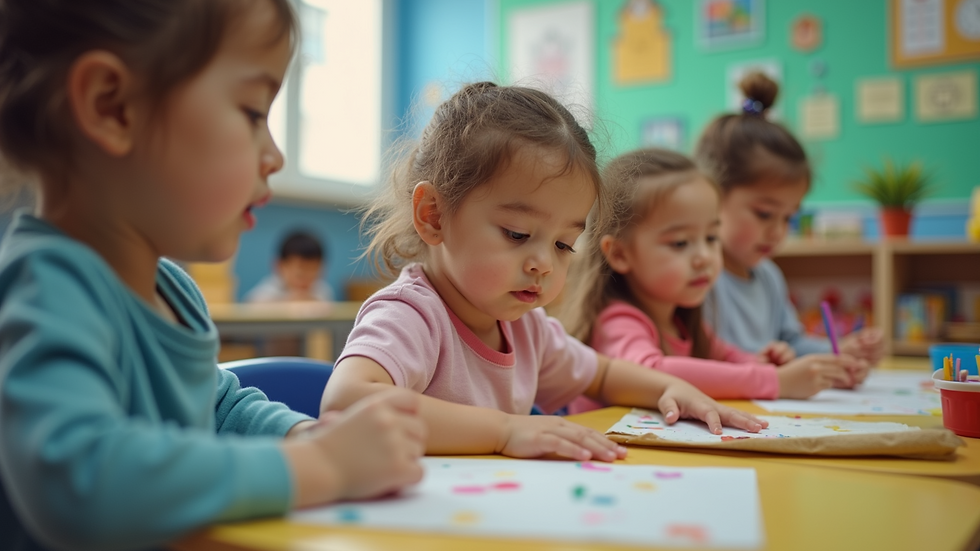
Bright and Inviting Classrooms: Our classrooms are filled with natural light and colorful decorations. This creates a warm atmosphere that invites exploration.
Flexible Learning Areas: We have designated spaces for different activities, such as reading, art, and group work. This allows children to choose where they feel most comfortable learning.
Encouraging Curiosity and Exploration
Curiosity is a natural part of childhood. At Building Wings, we nurture this curiosity by providing opportunities for exploration. Here are some ways we do this:
Hands-On Learning
Children learn best when they can engage with materials directly. We incorporate hands-on activities into our curriculum, such as:
Science Experiments: Simple experiments allow children to explore concepts in a fun and interactive way.
Art Projects: Creative activities encourage self-expression and help children develop fine motor skills.
Outdoor Learning
Nature is a fantastic teacher. We take learning outside whenever possible. Outdoor activities include:
Nature Walks: Exploring the local environment helps children connect with nature and learn about the world around them.
Gardening: Planting and caring for a garden teaches responsibility and the importance of nurturing living things.
Building Strong Relationships
Strong relationships are the foundation of a nurturing environment. At Building Wings, we focus on building connections among children, staff, and families.
Peer Relationships
Encouraging friendships among children is vital for their social development. We promote teamwork and collaboration through:
Group Projects: Working together on projects helps children learn to communicate and cooperate.
Buddy Systems: Pairing older and younger children fosters mentorship and support.
Family Involvement
We believe that families play a crucial role in a child's education. We encourage family involvement through:
Regular Communication: Keeping families informed about their child's progress helps build trust and collaboration.
Family Events: Hosting events allows families to connect with each other and the staff, creating a sense of community.
Celebrating Achievements
Recognizing and celebrating achievements, no matter how small, is essential for building confidence. At Building Wings, we celebrate in various ways:
Positive Reinforcement
We use positive reinforcement to encourage children. This includes:
Verbal Praise: Acknowledging efforts and accomplishments boosts self-esteem.
Celebration Days: Special days to celebrate milestones help children feel valued and appreciated.
Showcasing Work
Displaying children's work in the classroom and common areas highlights their achievements. This can include:
Art Displays: Showcasing artwork allows children to take pride in their creativity.
Project Presentations: Giving children the opportunity to present their work to peers fosters confidence and public speaking skills.
Fostering Independence
Encouraging independence is vital for children's growth. At Building Wings, we support this by:
Choice and Autonomy
Allowing children to make choices in their learning promotes independence. We provide opportunities for:
Choosing Activities: Children can select activities that interest them, fostering a sense of ownership over their learning.
Setting Goals: Encouraging children to set personal goals helps them take responsibility for their progress.
Problem-Solving Skills
Teaching children to solve problems independently is essential. We encourage this through:
Guided Discovery: Instead of providing answers, we guide children to find solutions on their own.
Critical Thinking Activities: Engaging children in activities that require critical thinking helps them develop problem-solving skills.
Creating a Culture of Respect
Respect is a core value at Building Wings. We teach children the importance of respecting themselves, others, and their environment. This is achieved through:
Modeling Behavior
Staff members model respectful behavior in their interactions with children and each other. This includes:
Active Listening: Demonstrating active listening shows children the importance of valuing others' opinions.
Conflict Resolution: Teaching children how to resolve conflicts respectfully helps them navigate social situations.
Classroom Agreements
Establishing classroom agreements promotes a culture of respect. We involve children in creating these agreements, which may include:
Respecting Personal Space: Teaching children to respect each other's boundaries fosters a safe environment.
Using Kind Words: Encouraging the use of kind language helps create a positive atmosphere.
The Role of Play in Learning
Play is a vital component of learning at Building Wings. It allows children to explore, experiment, and express themselves. We incorporate play in various ways:
Structured Play
Structured play activities are designed to promote specific skills. These may include:
Role-Playing: Engaging in role-play helps children develop social skills and empathy.
Games: Educational games reinforce concepts while making learning fun.
Free Play
Free play is equally important. It allows children to use their imagination and creativity. We provide:
Open-Ended Materials: Offering materials that can be used in various ways encourages creativity.
Safe Spaces for Exploration: Designated areas for free play allow children to explore their interests.
Continuous Improvement
At Building Wings, we are committed to continuous improvement. We regularly assess our practices to ensure we are providing the best possible environment for learning. This includes:
Feedback from Families
We value feedback from families and use it to enhance our programs. Regular surveys and open communication help us understand their needs and expectations.
Professional Development
Our staff participates in ongoing professional development to stay current with best practices in early childhood education. This ensures that we are always providing high-quality learning experiences.
A Bright Future Ahead
Creating a nurturing environment for happy learning is an ongoing journey. At Building Wings, we are dedicated to fostering a space where children can thrive emotionally, socially, and academically. By focusing on emotional safety, encouraging curiosity, building strong relationships, and celebrating achievements, we are laying the foundation for a bright future for our children.
As we continue to grow and evolve, we remain committed to our mission of nurturing happy learners. Together, we can create a world where every child feels valued, supported, and inspired to reach their full potential.


Comments